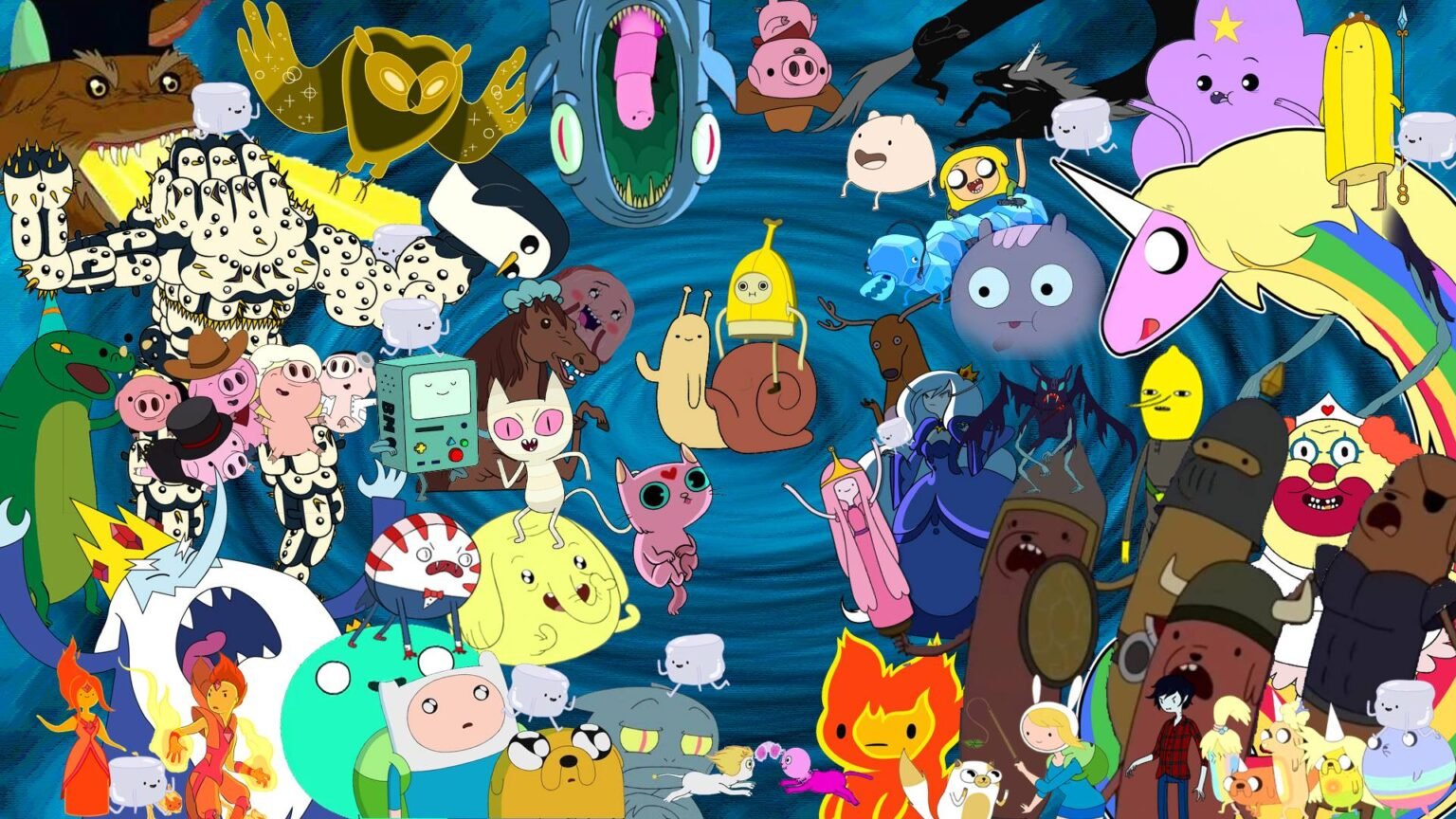

Adventure Time Characters is not just a cartoon—it’s a cultural phenomenon. What started as a quirky animated series quickly evolved into a rich, emotional, and surprisingly philosophical story set in the post-apocalyptic Land of Ooo. At the heart of its success lies one powerful element: its unforgettable characters. Each character, whether heroic, villainous, or somewhere in between, feels layered, human, and deeply symbolic despite the show’s colorful and playful art style.
In this article, we’ll explore the most important Adventure Time characters, breaking down their personalities, growth arcs, and why they resonate with audiences of all ages. Written casually but with an expert lens, this guide goes beyond surface-level descriptions to show what truly makes these characters timeless.
Finn the Human: The Heart and Hero of Adventure Time Characters
Finn the Human is the emotional core of Adventure Time Characters. As the last known human in the Land of Ooo (at least for much of the series), Finn represents bravery, curiosity, and the awkward journey of growing up. At first glance, he seems like a typical cartoon hero—fearless, energetic, and always ready for adventure—but the series slowly peels back layers to reveal a deeply complex character.
Throughout the show, Finn struggles with identity, morality, love, and loss. His experiences with heartbreak, especially involving Princess Bubblegum and Flame Princess, show a vulnerable side rarely explored in animated protagonists. These moments of emotional pain are not brushed aside; instead, they shape Finn’s maturity and worldview, making his growth feel authentic and relatable.
By the later seasons, Finn transitions from a reckless boy into a thoughtful young adult. He learns that being a hero doesn’t always mean fighting monsters—it can mean understanding others, forgiving enemies, and accepting personal flaws. This realistic evolution is a major reason why Finn remains one of the most beloved Adventure Time characters.
Jake the Dog: Wisdom Wrapped in Humor
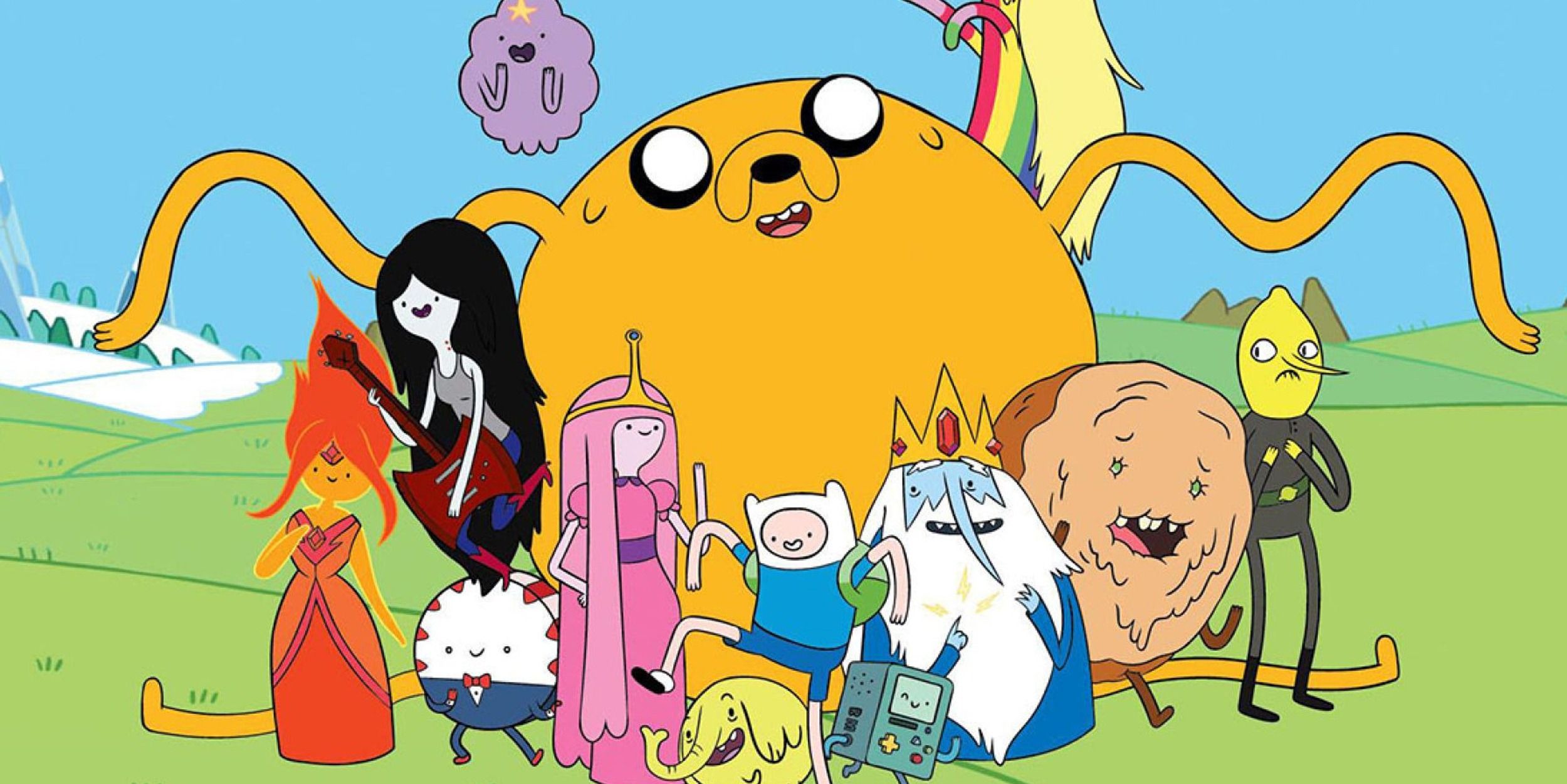
Jake the Dog is Finn’s best friend, brother figure, and moral compass. With his magical stretching abilities and laid-back personality, Jake initially appears to be comic relief. However, as the series progresses, it becomes clear that Jake is far more than just the funny sidekick.
Jake often serves as the voice of experience. His advice to Finn—sometimes silly, sometimes profound—reflects a philosophical outlook on life. He believes in going with the flow, embracing imperfection, and learning through experience rather than rigid rules. This mindset contrasts beautifully with Finn’s impulsive heroism.
Despite his relaxed nature, Jake also undergoes significant personal development. His journey into fatherhood, his exploration of past lives, and his occasional selfish mistakes make him feel incredibly real. Jake’s balance of humor and wisdom solidifies his place as one of the most iconic Adventure Time characters.
Princess Bubblegum: The Science Queen with a Dark Side
Princess Bubblegum is one of the most fascinating and controversial characters in Adventure Time Characters. As the ruler of the Candy Kingdom, she appears sweet, intelligent, and caring—but beneath that candy-coated exterior lies a morally complex leader driven by logic and control.
Her scientific brilliance is undeniable. Princess Bubblegum uses technology and experimentation to protect her kingdom, often making difficult decisions that blur the line between right and wrong. She believes that safety and order justify extreme measures, which sometimes leads her to manipulate others or invade their privacy.
Over time, the series explores her emotional vulnerabilities and past mistakes. Her relationship with Marceline the Vampire Queen reveals a softer, more empathetic side, showing that she is capable of growth and self-reflection. This layered portrayal makes Princess Bubblegum one of the most compelling Adventure Time characters.
Marceline the Vampire Queen: Emotion, Music, and Immortality
Marceline is the embodiment of emotional depth in Adventure Time Characters. As a vampire queen with a love for music and rebellion, she brings a darker yet deeply human energy to the series. Her backstory, tied to the Mushroom War and her relationship with her father, the Ice King, adds emotional weight to her character.
Marceline’s music serves as a storytelling device, allowing viewers to glimpse her inner struggles. Songs like “I’m Just Your Problem” and “Remember You” explore themes of abandonment, regret, and healing. These musical moments elevate her character beyond typical animated archetypes.
Her growth throughout the series is subtle but powerful. Marceline learns to confront her past, repair broken relationships, and embrace vulnerability. Her bond with Princess Bubblegum evolves into one of the most meaningful relationships in the show, solidifying her status as a fan-favorite Adventure Time Characters.
Ice King: From Villain to Tragic Hero
The Ice King is one of the most emotionally complex characters in Adventure Time Characters. Initially portrayed as a comedic villain obsessed with kidnapping princesses, he later becomes one of the most tragic figures in the entire series.
As the story unfolds, viewers learn that the Ice King was once Simon Petrikov, a kind-hearted human whose mind was slowly destroyed by a magical crown. This revelation recontextualizes his behavior, transforming him from a joke villain into a symbol of loss, mental illness, and love.
Despite his tragic fate, Simon’s humanity never fully disappears. His connection with Marceline and his moments of clarity offer glimpses of the man he once was. This heartbreaking duality makes the Ice King one of the most memorable Adventure Time characters.
BMO: Innocence, Identity, and Joy
BMO is more than just a living game console—it is the embodiment of innocence and imagination. BMO’s childlike perspective brings joy, humor, and emotional warmth to the series, often acting as a reminder of simpler values.
Despite being a machine, BMO grapples with identity, loneliness, and self-worth. Episodes focused on BMO often explore existential themes in a gentle, accessible way. This contrast between deep philosophy and playful storytelling is a hallmark of Adventure Time Characters.
BMO’s unwavering optimism and creativity make it a symbol of emotional resilience. Whether playing games, telling stories, or offering unexpected wisdom, BMO proves that heart and soul are not limited to biological beings.
The Villains of Adventure Time Characters: More Than Just Evil
Adventure Time Characters villains are rarely one-dimensional. Characters like the Lich, Flame King, and GOLB represent different forms of darkness, each with symbolic meaning rather than pure malice. These antagonists often embody existential threats rather than traditional evil.
The Lich, for example, represents death and entropy—a force of inevitable destruction. Unlike other villains, he is calm, calculated, and terrifyingly intelligent, making him one of the most chilling characters in the series.
What makes these villains effective is how they challenge the heroes philosophically as well as physically. They force Finn and others to question morality, purpose, and the nature of existence itself.
Why Adventure Time Characters Still Matter Today
The enduring popularity of Adventure Time Characters lies in its characters’ emotional authenticity. Each character reflects real human struggles—identity, loss, love, power, and growth—wrapped in a surreal and imaginative world.
These characters evolve alongside the audience, making the show equally meaningful for children and adults. What begins as a silly adventure often transforms into a lesson about empathy, responsibility, or self-acceptance.
In the end, the magic of Adventure Time characters is their ability to feel real in an unreal world. They remind us that growing up is messy, relationships are complicated, and kindness matters—even in the strangest corners of the Land of Ooo.
Final Thoughts
Adventure Time Characters succeeds because its characters are written with care, depth, and emotional honesty. From Finn’s heroic journey to Marceline’s emotional healing, every character contributes to a larger narrative about life, change, and humanity. That’s why, years after the series ended, Adventure Time characters continue to inspire, comfort, and resonate with fans around the world.