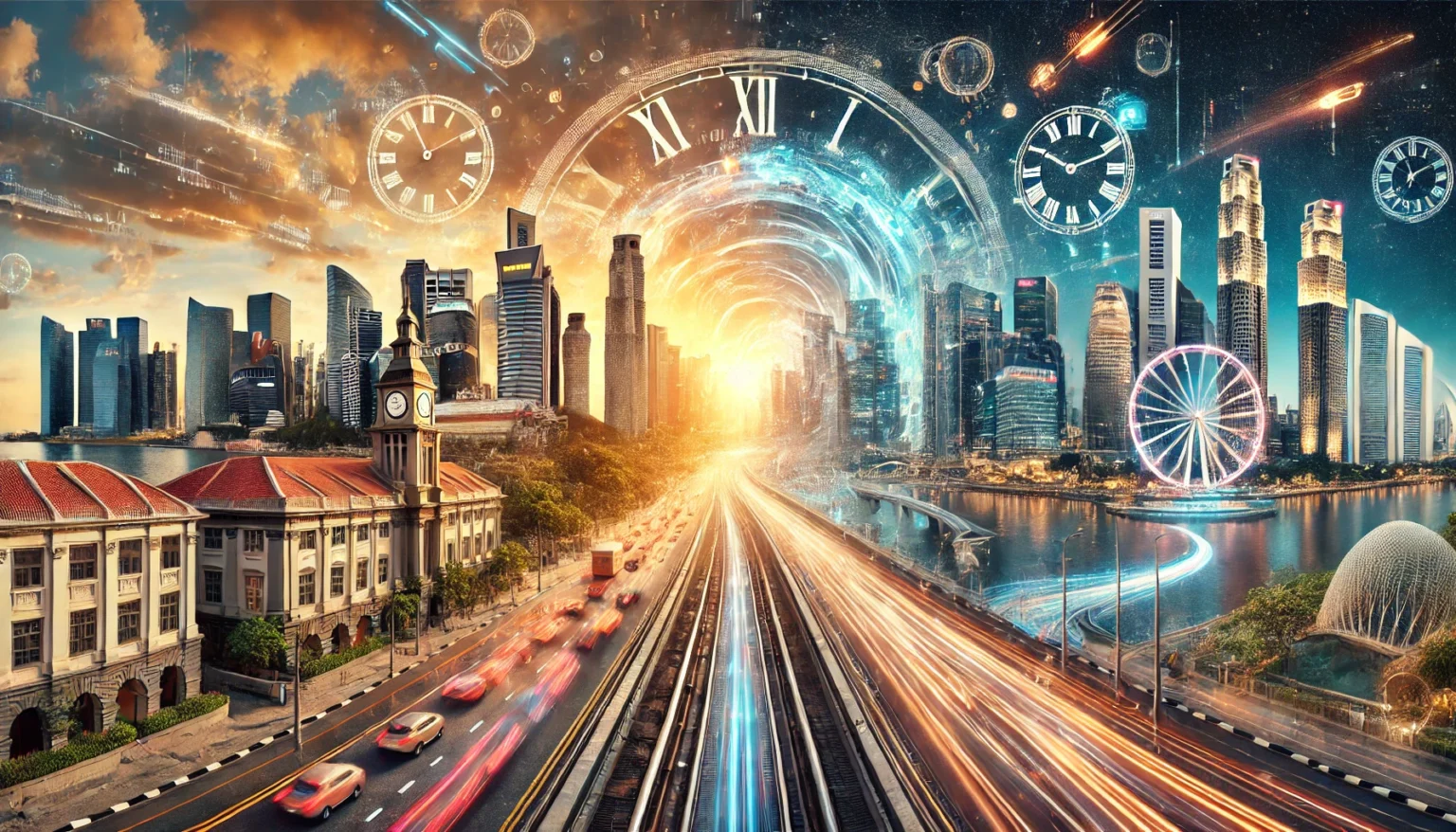

In today’s fast-moving digital world, unusual keywords often spark curiosity, and sg.timewarp is one of those terms that has started gaining attention across different online spaces. At first glance, it looks technical, mysterious, and even futuristic. But once you break it down and understand its context, sg timewarp becomes much easier to grasp and far more interesting than it initially appears.
This article explores sg.timewarp in depth—what it means, where it is commonly found, how it is used, and why it matters in modern digital environments. Whether you’re a tech enthusiast, a content researcher, or someone who stumbled upon this term online, this guide will give you a clear, expert-level understanding in a simple and approachable way.
What Is sg.timewarp and Why Is It Gaining Attention?
The term sg timewarp appears to combine two powerful ideas: structure (sg) and transformation over time (timewarp). In many digital contexts, this keyword is associated with systems, scripts, simulations, or platforms that involve time manipulation, data shifts, or accelerated processing behaviors.
What makes sg timewarp stand out is its adaptability. It doesn’t belong to just one niche. Instead, it can be found in technical discussions, experimental software environments, online tools, and even creative digital projects. This versatility is one of the main reasons why people are increasingly searching for and discussing sg.timewarp.
Another reason for its growing popularity is the internet’s fascination with automation and optimization. Tools or concepts related to sg timewarp often promise efficiency, speed, or transformation—things that naturally attract developers, marketers, and digital explorers alike.
The Technical Meaning Behind sg.timewarp
From a technical perspective, sg.timewarp is often linked to systems that manipulate or simulate time-based behavior. This can include speeding up processes, replaying events, or restructuring data timelines in controlled environments.
In some frameworks, sg timewarp is used to describe a function, module, or mechanism that adjusts how time is perceived or processed within a system. This doesn’t mean literal time travel, of course, but rather logical or computational time handling.
What’s important here is flexibility. sg timewarp is not always fixed to a single definition. Its meaning can shift depending on the platform, programming environment, or digital use case where it appears. That adaptability is part of what makes it so intriguing.
Where Can sg.timewarp Be Found Online?
One of the most common questions people ask is: where can sg.timewarp be found? The answer depends on how you’re approaching it.
You may encounter sg timewarp in developer documentation, experimental Git repositories, digital simulations, or backend system logs. In some cases, it appears as part of a tool name, function reference, or system label rather than a standalone product.
Beyond technical spaces, sg.timewarp can also surface in niche blogs, SEO discussions, and digital trend analyses. Because the keyword is unique and uncommon, it often attracts attention from people looking for hidden tools, emerging tech concepts, or under-the-radar digital utilities.
Practical Uses of sg timewarp in Digital Systems
The real value of sg.timewarp lies in how it can be applied. In practical terms, it may be used to test time-dependent processes, simulate long-term system behavior, or adjust performance timing in controlled scenarios.
For example, developers may rely on sg timewarp-style logic to see how an application behaves after weeks or months—without actually waiting that long. This saves time, resources, and effort while improving system reliability.
In data analysis environments, sg timewarp concepts can help reorganize historical data, replay events, or accelerate trend detection. These applications make it especially useful in testing, modeling, and predictive analytics.
sg.timewarp in Creative and Experimental Projects
Interestingly, sg.timewarp is not limited to purely technical uses. Creative coders and digital artists also explore time-based manipulation to build interactive experiences, simulations, or visual effects.
In these cases, sg timewarp may represent a concept rather than a tool—an idea centered around bending, stretching, or compressing time within a digital space. This makes it appealing to experimental projects that blend technology with storytelling.
Because of this creative angle, sg timewarp often appears in unconventional places, including experimental websites, indie tools, and prototype platforms.
Why sg timewarp Matters in the Modern Digital Era
In a world driven by speed, efficiency, and automation, concepts like sg.timewarp align perfectly with modern needs. Businesses and developers are constantly looking for ways to move faster without sacrificing quality, and time-based optimization plays a big role in that.
By allowing systems to simulate or adjust time behavior, sg timewarp helps reduce risk, improve planning, and enhance performance. Even if users don’t interact with it directly, its influence can be felt behind the scenes.
This behind-the-curtain importance is what makes sg.timewarp more significant than it appears at first glance.
Common Misunderstandings About sg.timewarp
Because the name sounds complex, many people assume sg timewarp is either extremely advanced or completely inaccessible. In reality, its complexity depends on how it’s implemented.
Another misconception is that sg timewarp refers to a single, official product. In most cases, it’s better understood as a concept, label, or system element rather than a consumer-facing application.
Understanding this clears up confusion and helps users approach sg.timewarp with realistic expectations.
SEO and Online Visibility of sg.timewarp
From an SEO standpoint, sg.timewarp is a low-competition, high-curiosity keyword. Because it’s unique, content built around it has a higher chance of standing out—especially when written clearly and authoritatively.
When used naturally, as in this article, sg timewarp fits well into long-form content, technical explanations, and exploratory guides. This makes it attractive for bloggers and niche website owners aiming to rank for uncommon yet intriguing terms.
However, balance is key. Overusing sg timewarp without context can look unnatural, while thoughtful placement improves both readability and search performance.
The Future Potential of sg.timewarp
Looking ahead, sg.timewarp-style concepts are likely to become more common as systems grow more complex. With AI, simulations, and predictive modeling on the rise, managing time intelligently will only become more important.
Whether the keyword itself evolves or is replaced by more mainstream terminology, the idea behind sg timewarp—controlling and reshaping time in digital environments—is here to stay.
For those exploring emerging tech trends, keeping an eye on sg timewarp and similar concepts can provide early insight into where digital innovation is heading.
Final Thoughts on sg.timewarp
To sum it up, sg.timewarp is a fascinating keyword that blends technical depth with creative potential. It represents more than just a term—it reflects how modern systems think about time, efficiency, and transformation.
Whether you encounter sg timewarp in code, content, or conversation, understanding its context gives you an edge. As digital landscapes continue to evolve, keywords like sg.timewarp remind us that even abstract concepts can have real-world impact.