



The Miami Heat vs Orlando Magic Match Player Stats is always one of the most closely followed games in the Eastern Conference. When these two Florida rivals meet, the contest is not only about team strategy and rivalry but also about individual player performances that shape the outcome. Match player stats give fans and analysts a deeper understanding of how the game unfolded, highlighting scoring leaders, defensive contributions, playmaking roles, and overall efficiency. This article provides a detailed breakdown of the Miami Heat vs Orlando Magic match player stats, focusing on key performers, positional impact, and what the numbers reveal about both teams.
Team Performance Summary
Before diving into individual player stats, it is important to understand the overall team performance. Miami Heat are known for their disciplined defense, physical play, and efficient offense led by experienced stars. Orlando Magic, on the other hand, often rely on young talent, athleticism, and fast-paced transitions. In this matchup, the team stats usually reflect contrasting styles, with Miami focusing on ball movement and defensive stops, while Orlando emphasizes speed and inside scoring.
Miami Heat typically show higher assist numbers due to their team-oriented offense, while Orlando Magic often post strong rebounding and paint scoring stats. These team trends set the stage for individual player performances.
Miami Heat Key Player Stats
Miami Heat’s success in any matchup largely depends on the consistency of their core players. Match player stats often show a balanced contribution from both starters and bench players.
Jimmy Butler usually leads the Heat in scoring and free-throw attempts. His stat line often includes high points, solid rebounds, and several assists, showing his all-around impact. Butler’s defensive stats, such as steals and forced turnovers, are equally important as they disrupt Orlando’s offensive rhythm.
Bam Adebayo plays a crucial role in the paint. His player stats often highlight double-digit rebounds, efficient shooting percentages, and strong defensive numbers. Blocks and contested shots from Adebayo limit Orlando Magic’s inside scoring chances.
The Heat’s guard rotation, including players like Tyler Herro, contributes significantly in scoring and playmaking. Herro’s stats often reflect three-point shooting accuracy, points off the bench or as a starter, and assists. His ability to stretch the floor forces Orlando defenders to stay wide, opening lanes for others.
Orlando Magic Key Player Stats
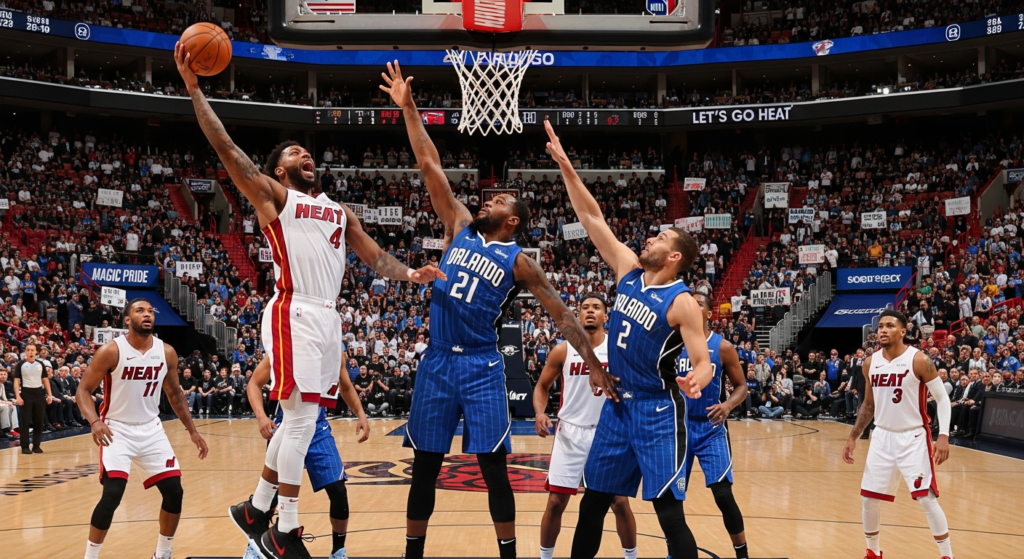
Orlando Magic’s player stats often showcase the growth and energy of their young roster. Their key players usually lead in scoring, rebounds, and fast-break points.
Paolo Banchero often stands out in match player stats with high scoring totals and strong rebounding numbers. His ability to score from multiple areas on the floor is reflected in his field goal attempts and points in the paint. Banchero’s assists also show his development as a playmaker.
Franz Wagner is another major contributor for Orlando. His stats typically include efficient shooting, solid defense, and secondary scoring. Wagner’s ability to attack the rim and finish plays adds balance to Orlando’s offense.
The Magic’s guards, such as Jalen Suggs or Markelle Fultz, usually contribute through assists, steals, and perimeter defense. Their player stats often show moderate scoring but high defensive activity, which is vital against a disciplined team like Miami.
Scoring Breakdown and Efficiency
Scoring efficiency is one of the most important aspects of match player stats. Miami Heat players often show higher shooting percentages due to their emphasis on shot selection. Field goal percentage, three-point accuracy, and free-throw success all reflect Miami’s offensive discipline.
Orlando Magic players may take more shots overall, especially from young scorers eager to make an impact. Their scoring stats often include higher shot volume but slightly lower efficiency compared to Miami. However, Orlando compensates with second-chance points and fast-break scoring.
Comparing points per quarter also reveals trends. Miami often finishes strong in the fourth quarter, while Orlando may start games aggressively. Player stats from each quarter help explain momentum shifts.
Rebounding and Interior Presence
Rebounding stats play a major role in determining game control. Orlando Magic often post strong rebounding numbers due to their size and athleticism. Player stats usually show double-digit rebounds from their forwards and centers, helping them generate extra possessions.
Miami Heat focus on team rebounding, with guards and wings contributing alongside big men. Bam Adebayo leads in rebounds, but players like Butler also chip in, as reflected in their stat lines.
Offensive rebounds are particularly important. Orlando’s young bigs often excel here, while Miami relies on defensive rebounding to limit second chances.
Playmaking and Assist Leaders

Assist stats highlight how well teams move the ball. Miami Heat often record higher assist totals, reflecting their unselfish style. Player stats show multiple players with several assists, rather than relying on a single playmaker.
Miami’s guards and forwards share ball-handling duties, leading to balanced assist numbers. This makes their offense harder to predict and defend.
Orlando Magic may rely more on individual creation. Their assist stats often center around primary ball handlers, while forwards contribute fewer assists. However, when Orlando’s assist numbers rise, it usually indicates a strong offensive performance.
Defensive Contributions and Hustle Stats
Defense is a defining factor in Miami Heat games. Match player stats often highlight steals, blocks, and defensive rebounds. Jimmy Butler and Bam Adebayo usually lead in defensive metrics, showing their importance on that end of the floor.
Orlando Magic’s defensive stats often reflect energy and effort. Young players contribute steals and deflections, which help create transition opportunities. Blocks from Orlando’s big men are also common, especially against drives to the basket.
Turnovers forced and points off turnovers are key indicators. Miami’s defensive discipline often results in fewer fouls and controlled pressure, while Orlando’s aggressive defense can sometimes lead to higher foul counts.
Bench Player Impact
Bench player stats can significantly influence the outcome of the Miami Heat vs Orlando Magic matchup. Miami’s bench often provides scoring bursts, defensive energy, and veteran leadership. Players coming off the bench usually have efficient shooting stats and positive plus-minus ratings.
Orlando Magic’s bench contributes youthful energy and athleticism. Their bench player stats often include quick points and rebounds, though consistency can vary. When Orlando’s bench performs well, the game often remains competitive deep into the fourth quarter.
Plus-Minus and Advanced Metrics
Plus-minus stats offer insight into a player’s overall impact. Miami Heat players often post positive plus-minus numbers due to their disciplined system. Even players with modest scoring stats may have strong plus-minus ratings, showing their contribution beyond points.
Orlando Magic’s plus-minus stats may vary widely, reflecting lineup changes and development stages. Young players may have fluctuating numbers, but strong performances are evident when their plus-minus improves.
Advanced metrics like usage rate and efficiency further explain how players influence the game. Miami’s stars often have controlled usage, while Orlando’s young leaders carry heavier offensive loads.
What the Player Stats Reveal About the Match
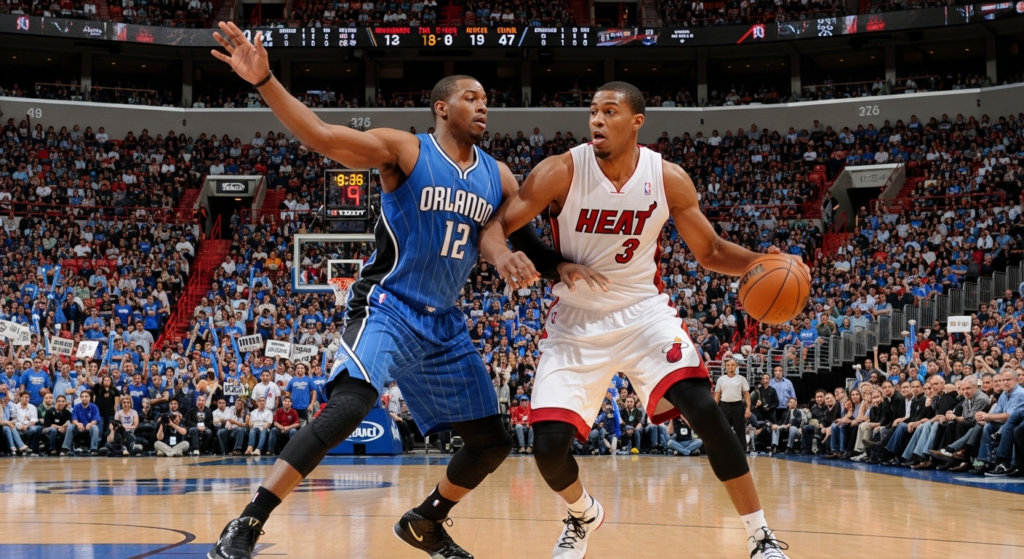
The Miami Heat vs Orlando Magic match player stats reveal a contrast in experience and development. Miami’s stats highlight efficiency, balance, and defensive discipline. Orlando’s stats emphasize growth, athleticism, and scoring potential.
When Miami wins, player stats usually show strong defensive numbers and efficient scoring from their leaders. When Orlando performs well, their stats reflect high energy, rebounding dominance, and scoring from multiple young players.
These numbers not only explain the result but also provide insight into each team’s direction and identity.
Conclusion
In conclusion, the Miami Heat vs Orlando Magic match player stats offer a detailed picture of how individual performances shape the game. From star scorers and defensive anchors to bench contributors and young talents, the numbers tell the story of rivalry, strategy, and growth within the Eastern Conference.
FAQs
Who was the top scorer in the Miami Heat vs Orlando Magic match
The top scorer is usually a key offensive player such as Jimmy Butler for Miami or Paolo Banchero for Orlando, based on match player stats and scoring efficiency.
Which team had better overall player efficiency
Miami Heat players often show higher efficiency due to disciplined shot selection, while Orlando Magic players may have higher shot volume but slightly lower percentages.
How important were rebounds in this matchup
Rebounds played a crucial role, with Orlando Magic often leading in total rebounds and Miami Heat focusing on limiting second-chance points through strong defensive rebounding.
Did bench players make a difference in the game
Yes, bench player stats often show that Miami’s bench provided consistent support, while Orlando’s bench added energy and scoring that kept the game competitive.
What do these player stats say about both teams’ future
Miami Heat’s stats reflect a team built for consistency and playoff success, while Orlando Magic’s stats highlight a young roster with strong potential and ongoing development.




