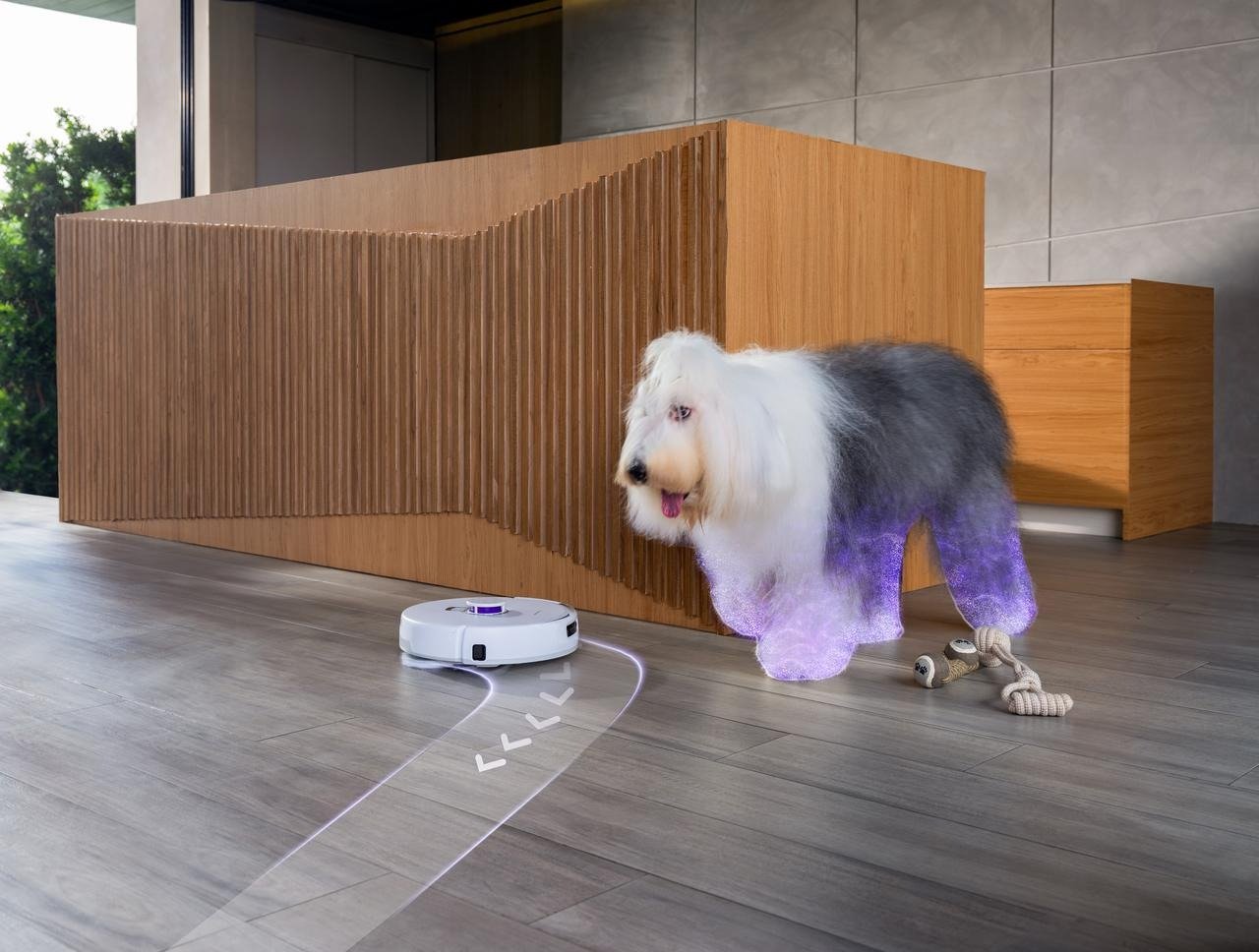

Living with pets brings joy, comfort, and companionship. It also brings hair, dirt, and frequent messes. Floors can become dirty very quickly in homes with cats or dogs. For many pet owners, cleaning feels like a daily struggle.
Pet hair spreads easily across rooms and sticks to surfaces. Paw prints appear after walks or playtime. Even regular cleaning can feel ineffective. This constant upkeep often increases stress and fatigue.
As a result, many pet owners look for easier ways to manage cleaning. Automated cleaning devices are often seen as a possible solution. But the key question remains. Are they truly helpful in pet-friendly homes?
The Unique Cleaning Challenges of Pet Homes
Homes with pets face different cleaning demands. Hair shedding happens daily, not weekly. It collects under furniture and along edges. Manual cleaning struggles to keep up with this pace.
Pets also bring in dirt from outside. Mud, sand, and small debris spread across floors. This is especially common in active households. Without frequent cleaning, floors can feel constantly dirty.
Odors can be another concern. Pet fur and dander can trap smells. Regular floor care helps reduce this issue. Consistent cleaning becomes essential, not optional.
How Automation Supports Pet Owners
Automation changes how often and how easily floors are cleaned. Instead of waiting for visible messes, cleaning can happen on a schedule. This helps manage hair and dirt before they build up.
By reducing the need for daily manual work, automation saves energy. Pet owners can focus more on care and play. Cleaning becomes a background task rather than a constant chore.
Automation also supports routine. Floors are cleaned regularly without reminders. This consistency is especially helpful in homes with multiple pets.
Managing Pet Hair More Effectively
Pet hair is one of the biggest concerns for owners. It spreads quickly and is hard to control. Frequent cleaning helps keep it under control.
A scheduled cleaning routine prevents hair from forming thick layers. Floors feel cleaner throughout the day. This makes the home more comfortable for both people and pets.
Regular hair removal can also reduce allergens. Cleaner floors support better indoor air quality. This is especially important for sensitive family members.
Can a Vacuum Mop Robot Handle Pet Messes?
Many pet owners wonder if automation is strong enough for daily messes. A vacuum mop robot is designed to handle both dry debris and light wet messes. This combination can be useful in pet homes.
Dry cleaning helps remove hair, food crumbs, and litter. Light mopping helps with paw prints and minor spills. Together, they support more complete floor care.
However, expectations should remain realistic. Automation supports daily maintenance, not deep cleaning. Large spills or accidents still need manual attention.
Reducing Daily Stress for Pet Owners
Stress often comes from feeling behind on cleaning. Automation helps reduce this feeling. Floors stay cleaner without constant effort.
Knowing that cleaning happens regularly brings peace of mind. Pet owners worry less about unexpected guests or visible messes. This emotional relief is an important benefit.
Less stress also means more quality time with pets. Owners can focus on bonding rather than cleaning. This improves overall home life.
Time Savings in Busy Pet Households
Pet care already takes time. Feeding, walking, and grooming fill the day. Adding constant cleaning can feel overwhelming.
Automation helps reclaim small pockets of time. Cleaning happens while owners work or rest. Over time, these savings add up.
This extra time can be used for rest or play. Even small changes can improve daily balance. Time savings are often one of the most appreciated benefits.
Supporting a Cleaner Living Environment
A cleaner floor improves comfort for pets as well. Pets spend a lot of time close to the ground. Cleaner surfaces support better hygiene.
Regular floor care can also protect furniture and rugs. Hair and dirt are less likely to spread. This helps maintain the overall condition of the home.
Consistency is key. Automation supports steady cleanliness rather than occasional deep cleaning. This approach works well in pet-friendly spaces.
Limitations Pet Owners Should Understand
Automation is helpful, but not perfect. Floors with clutter may need preparation. Pet toys and bowls should be cleared before cleaning.
Some pets may need time to adjust. Noise or movement can cause curiosity or fear. Supervision during early use is often helpful.
Despite these limits, automation still reduces workload. It handles routine tasks reliably. This support is valuable for many pet owners.
A Practical Tool for Pet-Friendly Homes
In the long run, small improvements make a big difference. Cleaner floors reduce stress and improve comfort. Automation supports a more manageable routine.
While no solution removes all cleaning tasks, automation reduces their frequency. This shift helps pet owners feel more in control. Daily life becomes smoother and more balanced.
For homes with pets, consistent floor care matters. When cleaning becomes easier, stress decreases. That simple change can improve both human and pet well-being.