Cricket Net is a game that demands precision, patience, and consistent practice. From beginners learning the basics to professional players refining advanced techniques, regular training is the backbone of improvement. One of the most important practice tools in cricket is the cricket net. A cricket net provides a controlled environment where players can focus on batting, bowling, and fielding skills without the distractions and limitations of a full match. Over the years, cricket nets have evolved from simple setups to advanced training systems used at all levels of the game.
What Is a Cricket Net
A cricket net is an enclosed practice area made using strong netting material supported by poles or frames. It is designed to safely contain the ball during practice sessions. Cricket nets are commonly used in academies, schools, clubs, stadiums, and even homes. They allow batsmen to face repeated deliveries and bowlers to practice line, length, and variations without the need for a full team.
Importance of Cricket Nets in Training
Cricket nets play a vital role in skill development. They offer a safe and efficient way to practice repeatedly, which is essential for muscle memory and confidence building. For batsmen, nets provide an opportunity to work on shot selection, footwork, and timing. For bowlers, they help improve accuracy, speed, and consistency. Fielders can also use nets for close-catching drills and reaction training.
Types of Cricket Nets
There are several types of cricket nets available, each designed for different needs and environments. Fixed cricket nets are commonly found in stadiums and academies. These are permanent structures with strong frames and durable netting. Portable cricket nets are lightweight and easy to assemble, making them ideal for schools and home practice. Indoor cricket nets are used in sports halls and training centers, allowing practice regardless of weather conditions. Bowling machine nets are specially designed to accommodate bowling machines and are often used by advanced players.
Materials Used in Cricket Nets
The quality of a cricket net largely depends on the materials used. Most cricket nets are made from polyethylene or nylon, known for their strength and durability. High-density polyethylene nets are popular because they are weather-resistant and long-lasting. Nylon nets are softer and often preferred for indoor use. The frames are usually made of steel, aluminum, or fiberglass, providing stability and support.
Cricket Net Sizes and Dimensions

Cricket nets come in various sizes depending on their purpose. Standard practice nets are usually around 20 to 25 meters long, allowing bowlers to deliver full-length balls comfortably. The width typically ranges from 3 to 4 meters, while the height is around 3 meters. Home practice nets are often smaller and more compact, designed to fit in backyards or open spaces. Choosing the right size depends on available space and training requirements.
Benefits for Batsmen
For batsmen, cricket nets are invaluable. Nets allow them to face a high volume of deliveries in a short time, which is not always possible in match situations. This repetition helps improve timing, hand-eye coordination, and shot execution. Batsmen can practice specific shots, work on weaknesses, and adapt to different bowling styles. Nets also provide a pressure-free environment where players can experiment and learn from mistakes.
Benefits for Bowlers
Bowlers benefit equally from cricket nets. They can focus on their run-up, action, and release point without worrying about field placements or match outcomes. Nets help bowlers improve accuracy and consistency by allowing them to target specific areas repeatedly. Spin bowlers can work on flight, turn, and variations, while fast bowlers can develop pace, swing, and seam movement.
Role of Cricket Nets in Coaching
Coaches rely heavily on cricket nets for training sessions. Nets allow coaches to observe players closely and provide immediate feedback. Multiple nets can be set up side by side, enabling several players to practice simultaneously. This makes training sessions more efficient and structured. Coaches can design specific drills for batting, bowling, and fielding within the net environment.
Indoor vs Outdoor Cricket Nets
Both indoor and outdoor cricket nets have their advantages. Outdoor nets provide a more realistic playing experience, as players deal with natural light, wind, and pitch conditions. Indoor nets, on the other hand, offer consistency and protection from weather disruptions. Indoor facilities often use artificial pitches, which are ideal for technical training and injury prevention.
Cricket Nets for Home Practice

Home cricket nets have become increasingly popular, especially among young players and enthusiasts. These nets allow players to practice regularly without traveling to a ground or academy. Portable nets are easy to set up and store, making them convenient for home use. Home practice nets are particularly useful for batting drills, throwdowns, and bowling practice with tennis balls or light cricket balls.
Safety Aspects of Cricket Nets
Safety is a key reason why cricket nets are widely used. The netting prevents balls from traveling long distances, reducing the risk of injury or damage. Proper installation and quality materials are essential to ensure safety. Nets should be securely fixed, and worn-out sections should be replaced promptly. Using protective equipment during net sessions further enhances safety.
Maintenance and Care of Cricket Nets
Maintaining cricket nets is important for longevity and performance. Outdoor nets should be checked regularly for wear and tear caused by weather exposure. Cleaning the netting and removing debris helps prevent damage. Frames should be inspected for rust or structural issues. Proper storage of portable nets when not in use can significantly extend their lifespan.
Cricket Nets in Professional Cricket
At the professional level, cricket nets are an integral part of training routines. International teams and domestic squads spend hours in net sessions before matches. Advanced net facilities often include video analysis systems, bowling machines, and specialized pitches. These setups allow players to prepare for specific opponents and conditions, highlighting the importance of nets in elite cricket.
Choosing the Right Cricket Net
Selecting the right cricket net depends on several factors, including purpose, space, budget, and level of play. Beginners may opt for simple portable nets, while advanced players may require full-size nets with durable materials. It is important to consider ease of setup, quality of netting, and frame strength when making a purchase.
Impact of Cricket Nets on Skill Development
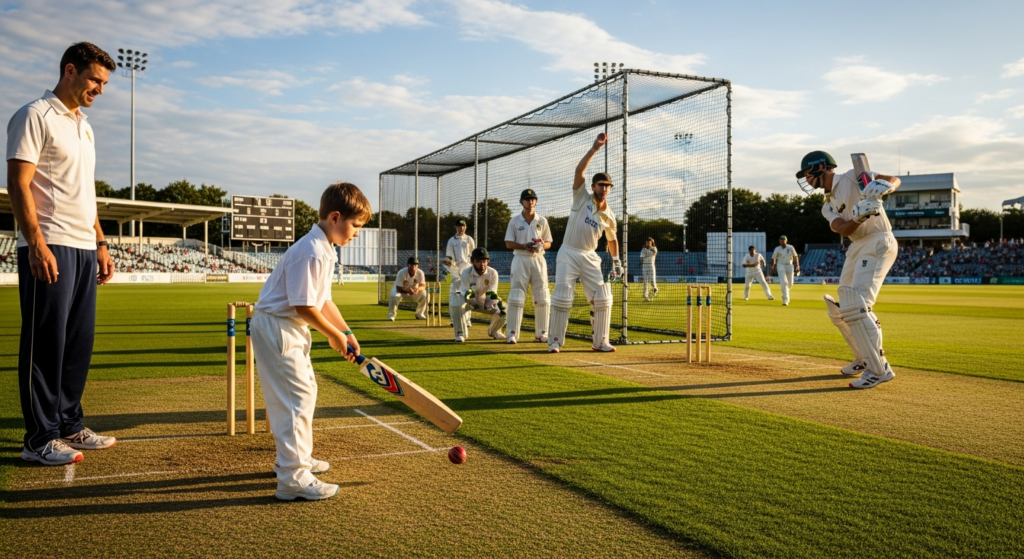
Consistent net practice has a direct impact on skill development. Players who spend more time in nets tend to have better technique and confidence. Nets allow focused practice, which is essential for correcting flaws and building strengths. Over time, this structured practice translates into improved performance in matches.
Conclusion
The future of cricket nets is closely linked with technology. Modern training facilities are integrating smart sensors, ball-tracking systems, and virtual simulations within net environments. These innovations provide detailed insights into player performance and help in personalized training. As cricket continues to evolve, nets will remain a fundamental part of the game’s training culture.
FAQs
What is the main purpose of a cricket net
The main purpose of a cricket net is to provide a safe and controlled environment for practice. It allows players to focus on batting, bowling, and fielding skills through repeated drills without the need for a full match setup.
Are cricket nets suitable for beginners
Yes, cricket nets are highly suitable for beginners. They help new players learn basic techniques, build confidence, and practice regularly in a safe and supportive environment.
Can cricket nets be used at home
Cricket nets can be easily used at home, especially portable or compact nets. They are ideal for backyard practice and help players maintain consistency in training.
How long do cricket nets last
The lifespan of a cricket net depends on the quality of materials and maintenance. High-quality nets with proper care can last several years, even with regular use.
Why are cricket nets important in professional training
Cricket nets are important in professional training because they allow focused, high-intensity practice. They help players prepare for matches, refine techniques, and adapt to different conditions, making them essential at the highest level of the game.