Cricket pads are one of the most essential pieces of protective equipment in the game of cricket. Designed primarily to protect a player’s legs from fast-moving cricket balls, pads play a vital role in ensuring safety, confidence, and performance on the field. Whether you are a beginner learning the basics or a professional competing at the highest level, cricket pads are indispensable. Over the years, the design, materials, and technology behind cricket pads have evolved significantly, making them lighter, stronger, and more comfortable than ever before. Understanding cricket pads in detail helps players make informed choices and improve their overall playing experience.
History and Evolution of Cricket Pads
The history of cricket pads dates back to the early days of cricket when players relied mainly on skill and reflexes rather than protective gear. In the 18th and early 19th centuries, leg protection was minimal or non-existent. As bowling techniques became faster and more aggressive, the need for leg protection grew. Early cricket pads were bulky, heavy, and often uncomfortable, made from leather and stuffed materials. Over time, innovations in sports manufacturing introduced foam padding, cane reinforcement, and synthetic materials. Modern cricket pads reflect decades of refinement, offering high-level protection without compromising mobility.
Purpose and Importance of Cricket Pads
The primary purpose of cricket pads is to protect the legs, especially the shins, knees, and lower thighs, from impact injuries. A cricket ball can travel at extremely high speeds, and a direct hit can cause serious injury. Pads absorb and distribute the impact, reducing the risk of fractures, bruises, and long-term damage. Beyond safety, cricket pads also provide psychological assurance. When players feel protected, they are more confident in facing fast bowlers and playing aggressive shots. This confidence directly impacts performance and decision-making on the pitch.
Types of Cricket Pads
Cricket pads are available in different types, each designed for specific roles and formats of the game. Batting pads are the most common and are worn by batsmen to protect their legs while facing bowlers. Wicket-keeping pads are lighter and shorter, allowing greater flexibility and speed for keepers behind the stumps. There are also specialized pads for formats like T20 cricket, where lightweight and agility-focused designs are preferred. Choosing the right type of pad ensures both comfort and maximum protection during play.
Materials Used in Cricket Pads

Modern cricket pads are constructed using a combination of advanced materials. The outer shell is often made from high-quality synthetic leather or PU materials that are durable and resistant to wear. Inside, high-density foam padding absorbs shock and minimizes impact. Some pads incorporate cane rods or reinforced inserts to provide extra stiffness and protection along the shin area. The inner lining is typically made from soft, moisture-absorbing fabric to enhance comfort and reduce sweat buildup. These materials work together to create pads that are protective, lightweight, and long-lasting.
Design and Structure of Cricket Pads
The design of cricket pads focuses on balancing protection and mobility. Pads usually feature vertical sections or rolls that contour to the shape of the leg, ensuring a snug fit. Knee rolls are specially designed to protect the knee joint while allowing natural movement. Straps with Velcro fastenings secure the pads firmly in place, preventing them from slipping during play. Some advanced designs include additional padding around vulnerable areas such as the ankle and inner calf. Ergonomic shaping ensures that players can run, bend, and play shots without restriction.
Cricket Pads for Different Playing Levels
Cricket pads vary depending on the level of play. Beginner pads are generally more affordable and provide basic protection, making them suitable for casual or school-level cricket. Intermediate players often opt for pads that offer enhanced comfort and durability, suitable for regular practice and competitive matches. Professional-level pads are crafted with premium materials, advanced protection zones, and superior comfort. These pads are designed to withstand high-speed bowling and long hours of play, making them ideal for elite cricketers.
Choosing the Right Size of Cricket Pads
Selecting the correct size of cricket pads is crucial for effective protection and comfort. Pads that are too large can restrict movement and feel heavy, while pads that are too small may leave areas exposed. Cricket pads are usually sized based on a player’s height and leg length. Proper fitting ensures that the knee roll aligns correctly with the knee and the pad covers the shin fully. Trying on pads before purchase or following manufacturer size guides can help players find the perfect fit.
Comfort and Fit Considerations
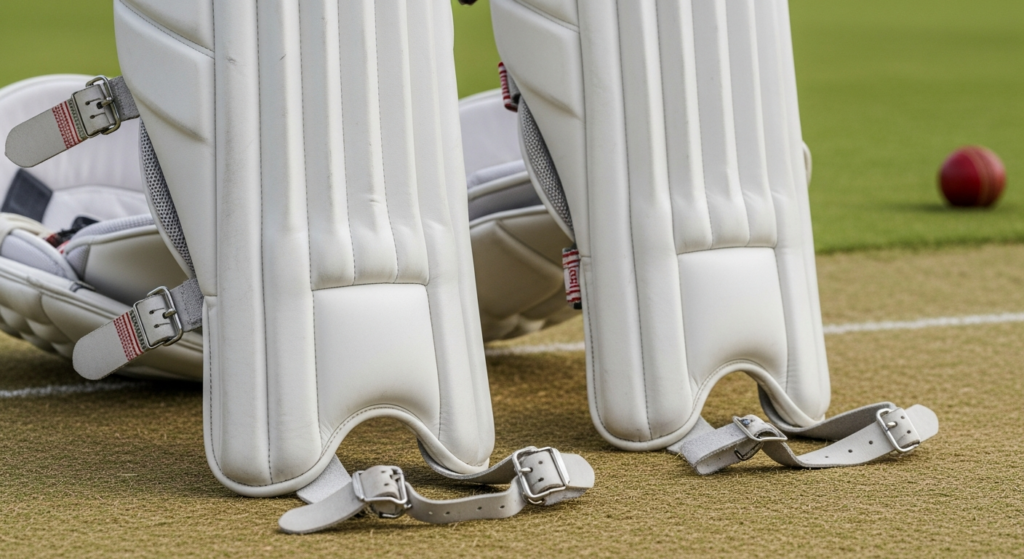
Comfort plays a major role in how effectively a player can perform while wearing cricket pads. Well-fitted pads distribute weight evenly and reduce pressure points. Breathable inner linings help manage sweat and prevent irritation during long innings. Adjustable straps allow players to customize the fit according to their preference. Lightweight construction reduces fatigue, especially during extended matches. When comfort and fit are optimized, players can focus entirely on their game without distractions.
Maintenance and Care of Cricket Pads
Proper maintenance extends the lifespan of cricket pads and keeps them hygienic. After each match or practice session, pads should be aired out to prevent moisture buildup and odor. Wiping the outer surface with a damp cloth helps remove dirt and sweat. Pads should be stored in a dry, well-ventilated area, preferably in a cricket kit bag designed for airflow. Avoid exposing pads to excessive heat or direct sunlight, as this can damage materials. Regular care ensures that pads remain effective and comfortable over time.
Technological Advancements in Cricket Pads
Advancements in sports technology have significantly improved cricket pad design. Modern pads incorporate lightweight composite materials that offer superior protection with reduced bulk. Some designs feature shock-absorbing gel layers or advanced foam technology for enhanced impact resistance. Improved strapping systems and ergonomic shaping contribute to better fit and stability. These innovations not only enhance safety but also allow players greater freedom of movement, aligning with the fast-paced nature of modern cricket.
Cricket Pads in Different Formats of the Game
The demands of cricket pads can vary depending on the format being played. In Test cricket, where players may bat for long hours, comfort and durability are paramount. Pads designed for longer formats often emphasize cushioning and support. In limited-overs formats like ODI and T20 cricket, agility and speed are more important, leading players to choose lighter and slimmer pads. Understanding the specific demands of each format helps players select pads that best suit their style of play.
Impact of Quality Cricket Pads on Performance

High-quality cricket pads can have a noticeable impact on a player’s performance. Reliable protection allows batsmen to confidently play forward defensive shots and aggressive strokes without fear of injury. Good pads also enhance running between the wickets by offering stability and comfort. On the psychological level, knowing that one is well-protected reduces hesitation and improves focus. Investing in quality pads is therefore not just about safety, but also about maximizing on-field performance.
Conclusion
Cricket pads are a fundamental component of a cricketer’s protective gear, offering essential leg protection, comfort, and confidence. From their early, bulky designs to today’s advanced, lightweight models, cricket pads have evolved alongside the game itself. Choosing the right pads involves considering factors such as type, material, size, comfort, and playing level. With proper care and maintenance, cricket pads can provide long-lasting protection and support. Ultimately, well-chosen cricket pads enable players to focus on their skills, enjoy the game, and perform at their best across all formats of cricket.
FAQs
What are cricket pads used for
Cricket pads are used to protect a player’s legs, especially the shins and knees, from fast-moving cricket balls and potential injuries during batting or wicket-keeping.
How do I choose the right size of cricket pads
The right size depends on your height and leg length. Pads should align properly with the knee and cover the shin fully without restricting movement.
Are expensive cricket pads better than cheap ones
More expensive pads often use better materials and advanced technology, offering improved comfort, durability, and protection, but beginners can still perform well with affordable options.
How should cricket pads be maintained
Cricket pads should be aired after use, cleaned with a damp cloth, and stored in a dry, ventilated place to prevent odor and material damage.
Can the same cricket pads be used for all formats
While it is possible, many players prefer different pads for different formats, choosing heavier, more cushioned pads for longer formats and lighter pads for shorter formats.